Eye Drops and Lash Extensions: What I want Every Client to Know
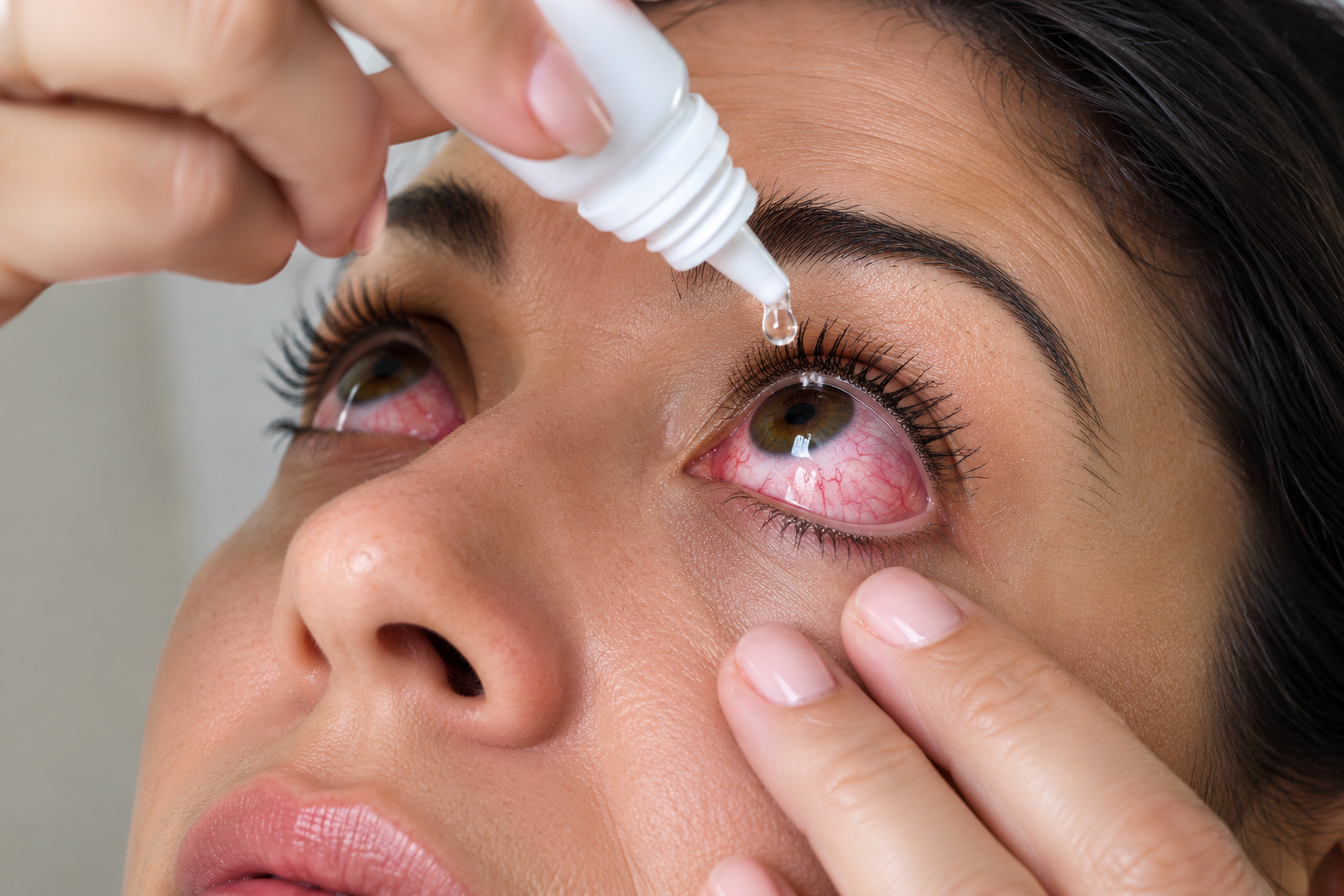
Something I’ve been learning recently is how many of my clients use eye drops. It’s come up at a lot of appointments. Some use allergy drops. Some use drops to get the red out. Some use them because their eyes feel dry. And many of them use them every day, for months or even years.
That’s why I wanted to write this. Because there’s something about certain eye drops that most people don’t know. When you use them longer than the manufacturer recommends, they can actually cause more redness. It’s called rebound redness. And if you wear lash extensions, the way you use eye drops can also affect how long your lashes last and how healthy your natural lashes stay.
In this article, I’m going to walk you through what rebound redness is and why it happens, which eye drops can cause it, how eye drops can affect your lash extensions and natural lashes, how to use eye drops in a lash-friendly way, simple things you can do at home to help dry eyes, and when it’s time to see an eye doctor.
Before we get into it, I want to be clear about one thing. I’m a lash artist, not a doctor. What I can share is what I’ve learned from my experience as a lash artist for 20+ years. But if your eyes are often red, itchy or dry, an ophthalmologist is the person who can tell you why.
Can eye drops make red eyes worse?
Yes, some of them can. Drops made to “get the red out” or whiten your eyes can make redness worse if you use them too often or for too long.
Here’s why. These drops work by shrinking the tiny blood vessels on the white part of your eye. Smaller blood vessels mean less red. That’s why your eyes look bright and clear a few minutes later.
But when the drop wears off, those blood vessels can open back up even wider than before. So your eyes look redder than they did before you used the drop. So you use another drop. And the cycle keeps going. Over time, your eyes can start to depend on the drops just to look normal.
That’s rebound redness. The drop you’re using to fix the redness ends up causing more of it.
How long can you use redness relief eye drops?
Always follow the manufacturer’s directions. Many redness relief drops say to only use them a few times a day, and to stop and ask a doctor if your redness lasts more than 72 hours. They’re meant for short-term use. Not for every day.
Can allergy eye drops cause rebound redness?
Some can. This is where it gets a little tricky. Some allergy drops are combo drops. They have something to calm the itch, plus a redness reliever to whiten your eyes. So you can end up in the same rebound cycle without realizing it.
What I suggest is to flip the box over and read the directions. If it says “redness relief,” or tells you to stop after 72 hours, those directions matter.
And if you’ve been using them way longer than that, it doesn’t mean you did anything wrong. Most of us never read the fine print. Just bring the bottle with you to your eye doctor so they can help you figure out what’s best for your eyes.
Also, as an FYI... many eye drops contain preservatives. For some people, using them many times a day can irritate the eye and leave it feeling even drier. If you need drops often, your eye doctor may suggest a preservative-free option.
Can eye drops affect your lash extensions?
Eye drops don’t automatically mean your lashes won’t last. But some of the habits that come with them can make a difference.
What I see a lot is wiping. When drops run out of your eye, most of us grab a tissue and wipe across the lash line. That back-and-forth friction is hard on your extensions and your natural lashes.
Then there’s rubbing. When your eyes are red and irritated, what do you naturally want to do? Rub them. Rubbing is one of the fastest ways to lose extensions early, and it can pull out your natural lashes too.
Some lubricating gels and ointments also contain oils. Oil can coat your natural lash right where the extension is attached. Over time, it can work its way between your natural lash and the extension. That buildup keeps the extension from staying attached, which can cause your lashes to fall off sooner than they should.
Last is residue. Drops can leave a film along your lash line. When that mixes with makeup, natural oils and dust, it builds up. And buildup isn’t a healthy place for your natural lashes to grow. That matters, because healthy natural lashes are what your extensions are attached to.
How to use eye drops with lash extensions
If your eye doctor says drops are right for you, here’s how to use them without hurting your lashes.
Tilt your head back and gently pull down your lower lid. Put the drop in that little pocket, not on top of your lashes. Close your eyes softly for a moment instead of blinking hard. If anything runs out, gently press a clean tissue at the outer corner of your eye. No wiping.
Cleanse your lashes twice a day, once in the morning and once at night, so residue doesn’t build up. And before using a gel or ointment, ask your doctor if there’s an oil-free option.
Natural ways to help dry eyes at home
If dry eyes are the reason you reach for drops, there are some simple habits that may help.
Your eyes are covered with a thin layer of moisture called your tear film. Every time you blink, it spreads across your eyes to keep them comfortable. When it’s not doing its job, your eyes feel dry, gritty or tired. Here are a few things that can help.
Take blink breaks. When we look at screens, we blink a lot less than we realize. Try the 20-20-20 rule: every 20 minutes, look at something 20 feet away for 20 seconds. (This one is hard for me when I’m deep in a YouTube video.)
Run a humidifier, especially in your bedroom. Our Tri-Valley air can get super dry in the fall and winter.
Keep air from blowing straight into your eyes. Think car vents, ceiling fans and space heaters.
Drink plenty of water during the day.
Wear sunglasses outside, especially when it’s windy.
Get good sleep, because tired eyes are often dry eyes.
Keep your lash line clean. There are tiny oil glands along your eyelids that help keep your tears from drying out too fast, and a clean lash line helps them work the way they should.
Ask your eye doctor if a warm compress is right for you. If they say yes, keep it comfortably warm, never hot, to protect the delicate skin around your eyes and your lashes.
When should you see an eye doctor?
Red, itchy, dry or watery eyes that keep coming back are a sign that something is going on. It could be allergies. It could be dry eye. It could be the oil glands along your eyelids. Or it could be something else.
Eye drops can cover up the symptoms, but they don’t always fix the cause. An ophthalmologist can find out what’s really happening and recommend something that’s safe to use long term.
And if you ever have eye pain, changes in your vision, sensitivity to light or discharge, see a doctor right away.
Quick answers
Do eye drops ruin lash extensions?
No, not on their own. The wiping, rubbing and residue that can come with frequent drops are what affect your lashes.
Can I use eye drops with lash extensions?
Yes. Put the drop in your lower lid pocket, blot instead of wipe, and cleanse your lashes twice a day.
How long can I use redness relief drops?
Follow the manufacturer’s directions. Many say to stop and ask a doctor if redness lasts more than 72 hours.
Why are my eyes still red after using eye drops?
If you use redness relief drops often, your eyes may be stuck in a rebound cycle, where the blood vessels open back up wider each time the drop wears off.
The bottom line
Eye drops can be helpful when you use them the right way. But more isn’t always better. If you’re using drops every day, it’s worth finding out why with an eye doctor.
Lash extensions in Pleasanton
If you’re in Pleasanton or the Tri-Valley and want lash extensions that look beautiful while keeping your natural lashes healthy, I’d love to meet you.
Every new client starts with a consultation. We’ll talk about your eyes, your lifestyle and any drops or products you use, so I can design a set that works for you.
Book your consultation online today.